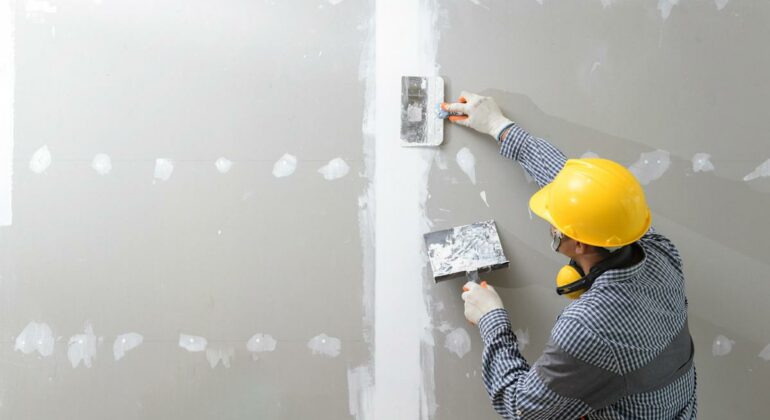

Older commercial buildings often carry years of wear and tear that gradually affect interior walls and structural surfaces. One of the most common areas where damage becomes visible is drywall. Over time, moisture exposure, settling foundations, outdated construction materials, and poor maintenance can create serious drywall issues that impact both the appearance and safety of a property.
For commercial property owners, identifying drywall problems early can help prevent more expensive repairs and maintain a professional environment for employees, tenants, and visitors. Understanding the most common drywall problems found in older commercial buildings allows businesses to take proactive steps before minor issues become major structural concerns.
Why Drywall Problems Are Common in Older Commercial Buildings
Commercial buildings experience constant daily use, temperature fluctuations, and long-term structural movement. As buildings age, drywall materials naturally weaken and become more vulnerable to cracking, moisture damage, and surface deterioration.
Older buildings may also contain outdated drywall installation methods that no longer meet modern building standards. In many cases, years of unnoticed leaks, poor ventilation, or deferred maintenance contribute to hidden interior wall damage.
Routine building inspections and renovation planning help property owners identify drywall problems before they affect business operations or tenant satisfaction.
Businesses modernizing aging properties often combine drywall repairs with larger interior renovation projects.
interior renovation and space optimization services
Cracks Caused by Structural Movement
One of the most common drywall issues in older commercial buildings is wall cracking. Over time, buildings naturally settle, causing stress on drywall joints and fasteners.
Common types of drywall cracks include:
- Hairline cracks near ceilings
- Vertical wall cracks
- Cracks around doors and windows
- Joint separation
- Corner bead cracking
While small cracks may appear cosmetic at first, larger or recurring cracks could indicate structural movement beneath the surface. Ignoring these issues may lead to more serious wall damage over time.
Professional drywall inspections can help determine whether the damage is cosmetic or linked to structural concerns.
Businesses dealing with aging interior walls may benefit from specialized drywall repair services.
professional drywall services in Washington DC
Water Damage and Moisture Problems
Water damage is one of the most serious drywall problems affecting older commercial properties. Leaking roofs, plumbing failures, poor drainage, or outdated HVAC systems can introduce moisture into walls and ceilings.
Signs of water-damaged drywall include:
- Brown or yellow stains
- Soft wall surfaces
- Bubbling paint
- Warped drywall panels
- Sagging ceilings
- Mold growth
- Musty odors
Moisture weakens drywall materials and creates conditions that encourage mold and mildew growth. In commercial environments, this can negatively impact indoor air quality and employee comfort.
Property owners should address water intrusion quickly to avoid larger structural problems and expensive restoration costs.
Roofing and waterproofing upgrades may help prevent recurring moisture damage in older buildings.
roofing and exterior protection services
Nail Pops and Fastener Problems
Nail pops are another common issue found in aging drywall systems. As commercial buildings shift over time, drywall fasteners may loosen and push outward through painted surfaces.
These small circular bumps or cracks usually appear because of:
- Building settlement
- Humidity changes
- Temperature fluctuations
- Improper original installation
- Aging drywall materials
Although nail pops may seem minor, widespread fastener failure can make walls appear poorly maintained and unprofessional.
Routine maintenance and wall refinishing help preserve the appearance of commercial interiors while preventing larger drywall failures.
Mold Growth Behind Drywall
Older commercial buildings with poor ventilation or hidden leaks often experience mold growth inside wall cavities. Mold may remain hidden for long periods before visible symptoms appear.
Common warning signs include:
- Persistent musty odors
- Discoloration on walls
- Peeling paint
- Increased employee allergy symptoms
- Soft or crumbling drywall
Mold contamination can create health concerns and may lead to costly remediation if left untreated. Businesses should inspect older buildings regularly for signs of hidden moisture or poor ventilation.
Commercial renovation projects often include ventilation upgrades and moisture-resistant building materials to reduce future mold risks.
energy-efficient home and building remodeling services
Peeling Paint and Surface Deterioration
Many older commercial buildings experience peeling paint and drywall surface damage due to years of moisture exposure, outdated paint materials, or poor surface preparation.
Common causes include:
- Excess humidity
- Water leaks
- Inadequate ventilation
- Aging drywall compounds
- Improper painting techniques
Damaged wall surfaces can negatively affect a company’s image and make commercial interiors appear neglected. Businesses that regularly welcome customers, tenants, or clients benefit from maintaining clean and modern wall finishes.
Proper surface preparation and professional painting services help extend the life of drywall while improving the overall appearance of commercial interiors.
professional painting services in Washington DC
Damage Around Doors, Hallways, and High-Traffic Areas
Commercial buildings often experience drywall damage in high-traffic areas where walls are exposed to carts, furniture movement, equipment, or heavy foot traffic.
Common damage includes:
- Dents
- Scratches
- Holes
- Corner damage
- Surface gouges
Hallways, loading areas, office entrances, and break rooms are especially vulnerable. Older drywall materials may become brittle over time, making them more susceptible to visible impact damage.
Regular maintenance and protective wall upgrades help businesses maintain a cleaner and more professional environment.
Outdated Drywall Materials and Insulation
Some older commercial buildings contain outdated drywall systems that lack proper insulation, fire resistance, or moisture protection compared to modern construction standards.
Renovation projects often involve replacing older materials with:
- Moisture-resistant drywall
- Fire-rated drywall
- Soundproof drywall systems
- Improved insulation materials
Modern drywall upgrades improve energy efficiency, employee comfort, and long-term building durability.
Businesses planning major renovations may also benefit from broader remodeling and construction improvements.
commercial construction services in Washington DC
How Preventative Maintenance Protects Commercial Buildings
Preventative maintenance plays a major role in reducing drywall problems within older commercial properties. Regular inspections allow building owners to identify leaks, structural movement, and surface damage before repairs become more expensive.
Recommended maintenance practices include:
- Inspecting ceilings and walls regularly
- Addressing leaks immediately
- Maintaining HVAC systems
- Monitoring humidity levels
- Repairing cracks early
- Scheduling professional inspections
A proactive maintenance strategy helps extend building lifespan while protecting commercial property value.
Businesses investing in long-term property care often combine drywall maintenance with broader renovation and maintenance planning.
minor construction and office maintenance services
Final Thoughts
Drywall problems are extremely common in older commercial buildings due to aging materials, structural movement, moisture exposure, and years of daily wear. Cracks, water damage, mold growth, peeling paint, and surface deterioration can all negatively affect the appearance, safety, and functionality of a commercial property.
By identifying problems early and investing in preventative maintenance, businesses can reduce repair costs and maintain a professional environment for employees and visitors. Modern drywall repairs and renovation upgrades not only improve aesthetics but also strengthen long-term building performance and operational efficiency.
Proper drywall maintenance remains an essential part of protecting older commercial buildings and preserving their long-term value.