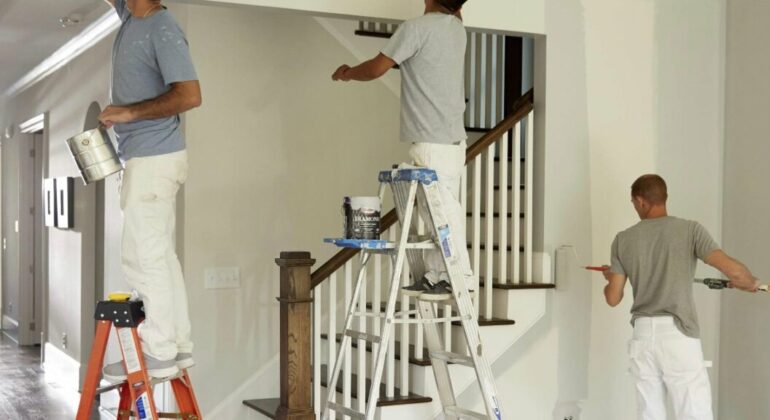

Interior painting can dramatically improve the appearance of a commercial or residential space, but the quality of the final result depends on more than the paint itself. One of the most overlooked parts of a successful painting project is surface preparation.
Many painting problems—including peeling, uneven finishes, visible defects, and premature wear—can often be traced back to poor preparation rather than poor paint quality.
Whether updating offices, commercial interiors, rental units, or renovated spaces, preparing surfaces correctly helps create a smoother finish, better durability, and stronger long-term performance.
This guide explains why surface preparation is critical before interior painting projects and how proper preparation influences final results.
Interior Painting Success Starts Before Paint Is Applied
Painting may seem straightforward, but professional results begin long before the first coat is rolled onto the wall.
Interior surfaces naturally accumulate:
- Dust
- Moisture
- Surface oils
- Small cracks
- Nail holes
- Existing paint damage
- Uneven textures
Applying fresh paint directly over these issues often leads to visible imperfections.
Property owners planning upgrades frequently combine painting preparation with broader renovation strategies such as:
https://www.ijslimited.com/professional-painting-services-in-washington-dc/
Creating a stable foundation helps improve the overall finish.
Surface Preparation Improves Paint Adhesion
Paint performs best when it bonds correctly to the surface beneath it.
Poor adhesion can lead to:
- Peeling
- Bubbling
- Cracking
- Early fading
- Flaking
Preparation steps typically include:
- Cleaning
- Sanding
- Priming
- Repairing damaged areas
- Removing loose material
These steps allow paint to attach evenly and remain durable over time.
Skipping preparation often reduces the lifespan of the project.
Drywall Imperfections Become More Visible After Painting
Interior paint frequently highlights flaws rather than hiding them.
Even minor drywall defects may become noticeable after fresh paint is applied.
Common issues include:
- Surface dents
- Hairline cracks
- Joint lines
- Screw marks
- Uneven texture
- Water stains
Repairing walls before painting creates a cleaner final appearance.
Many renovation projects combine surface preparation with professional wall improvements discussed in:
Addressing imperfections early reduces rework later.
Cleaning Surfaces Prevents Finish Problems
Dust and contaminants interfere with paint performance.
Walls may collect residue from:
- Daily occupancy
- HVAC circulation
- Moisture exposure
- Previous maintenance work
Surface cleaning helps prevent:
- Uneven color
- Adhesion issues
- Texture inconsistencies
Preparation commonly includes wiping, vacuuming, and removing contaminants before painting begins.
Clean surfaces create better finish quality.
Repairing Existing Damage Protects Long-Term Results
Interior painting should not be treated as a shortcut to cover structural or cosmetic damage.
Painting over existing issues rarely solves underlying problems.
Common repairs before painting include:
- Drywall patching
- Joint repairs
- Water damage correction
- Surface leveling
- Minor carpentry adjustments
Property owners preparing larger updates often combine these improvements with renovation approaches found in:
https://www.ijslimited.com/interior-renovation-space-optimization-in-washington-dc/
Addressing underlying conditions supports better durability.
Proper Priming Creates More Consistent Coverage
Primer plays an important role during surface preparation.
Its benefits include:
- Improved adhesion
- More even color application
- Better stain blocking
- Reduced absorption differences
Primer becomes especially important when:
- Painting over dark colors
- Covering repaired walls
- Working with new drywall
- Refreshing older interiors
Using the correct primer often reduces the number of finish coats required.
Surface Preparation Helps Achieve Professional Appearance
Even premium paint products cannot fully compensate for poor preparation.
Well-prepared surfaces help create:
- Smoother finishes
- More consistent color
- Cleaner wall transitions
- Better lighting reflection
This becomes especially important in commercial environments where appearance influences visitor and employee impressions.
Businesses updating interiors often combine preparation and finish work with larger improvement strategies such as:
https://www.ijslimited.com/commercial-construction-services-washington-dc/
for a more coordinated result.
Moisture Issues Should Be Addressed Before Painting
Painting over moisture problems frequently leads to recurring damage.
Signs that preparation should include moisture evaluation:
- Staining
- Peeling paint
- Soft drywall
- Odors
- Discoloration
Interior surfaces should be fully dry before paint application.
Ignoring moisture conditions can shorten the life of the finish.
Projects involving moisture-related repairs may also benefit from approaches discussed in:
https://www.ijslimited.com/water-damage-restoration-washington-dc/
to support long-term wall performance.
Surface Preparation Supports Cost Efficiency
Skipping preparation may appear to save time initially, but often increases long-term costs.
Poor preparation can lead to:
- Repainting sooner
- Additional labor
- More material use
- Repeated repairs
Investing in preparation reduces future maintenance requirements and extends project life.
Property owners focused on durable upgrades frequently evaluate broader planning methods found in:
https://www.ijslimited.com/home-renovation-services-washington-dc/
to improve project value.
Interior Painting Works Best as Part of Overall Renovation Planning
Painting projects frequently overlap with other improvements.
Preparation becomes easier when coordinated with:
- Flooring replacement
- Drywall work
- Lighting upgrades
- Layout changes
- Fixture installation
Scheduling painting at the correct stage prevents damage to finished surfaces.
Many renovation projects benefit from coordinated execution using:
https://www.ijslimited.com/design-build-services-washington-dc/
to improve timing and workflow.
Long-Term Appearance Depends on Preparation Quality
Interior painting is one of the most visible upgrades in any property.
However, lasting results depend heavily on the condition of the surface beneath the finish.
When preparation receives proper attention, benefits may include:
- Improved durability
- Lower maintenance
- Better appearance
- Reduced repaint frequency
Quality preparation helps maximize the value of the investment.
Final Thoughts
Surface preparation is critical before interior painting projects because it directly affects appearance, durability, and long-term performance.
Cleaning, repairing, priming, and correcting imperfections before paint application helps create smoother finishes and reduces future maintenance issues.
Whether updating offices, commercial spaces, or renovated interiors, proper preparation provides the foundation for results that look better and last longer.