
A successful home renovation involves more than choosing materials, planning layouts, and completing construction work. Clear communication between homeowners and contractors is equally important. From discussing project expectations to handling unexpected changes, regular communication helps everyone understand their responsibilities and stay informed throughout the renovation process.
When communication is unclear, small misunderstandings can turn into delays, additional expenses, or results that do not match the homeowner’s expectations. Establishing a good communication process from the beginning can make renovation projects more organized and easier to manage.
1. Establishing Clear Project Expectations
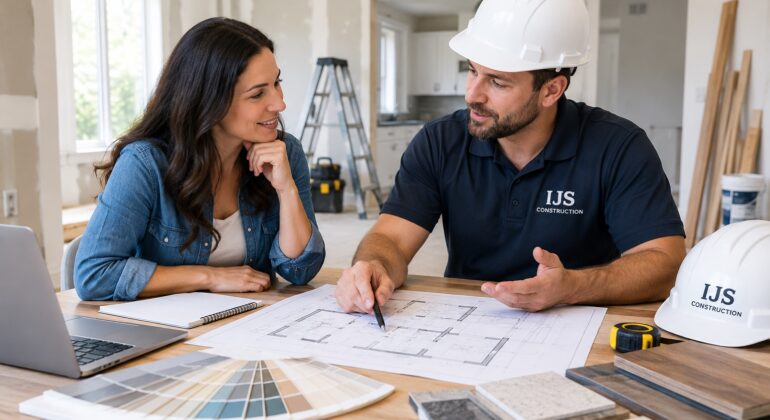
Before renovation work begins, homeowners and contractors should discuss the project’s goals, priorities, and expected results. This includes identifying which areas need improvement, understanding the required work, and discussing any important preferences.
For example, a homeowner planning an interior renovation may have specific expectations about wall finishes, flooring materials, room layouts, or painting colors. Discussing these details before construction starts helps reduce confusion later.
A clear project discussion should cover:
- The main objectives of the renovation
- The areas included in the project
- Preferred materials and finishes
- Important design requirements
- Estimated project timelines
- Responsibilities of the people involved
When expectations are clearly communicated, contractors can plan the work more effectively and homeowners have a better understanding of the project.
2. Reducing Misunderstandings During Construction
Renovation projects often involve several tasks that depend on one another. Drywall repairs, surface preparation, painting, flooring installation, and other improvements may need to follow a particular sequence.
If instructions are misunderstood, one task may need to be repeated or adjusted. This can affect the overall schedule and create unnecessary complications.
Regular discussions help confirm that everyone understands the next stage of work. For instance, before starting painting, homeowners and contractors should agree on the selected colors, surface condition, and expected finish.
Professional painting services in Washington DC can help property owners improve interior spaces with properly planned surface preparation and finishing work.
3. Keeping Renovation Schedules Organized
Time management is an important part of residential construction. Some renovation tasks require materials to arrive before work can continue, while others depend on the completion of earlier stages.
Without consistent communication, homeowners may not know when workers are scheduled to arrive, when a particular area will become available, or whether an unexpected delay has affected the project.
Contractors can support better scheduling by providing updates about:
- Upcoming construction activities
- Expected completion dates for individual tasks
- Material delivery schedules
- Changes to the work sequence
- Potential delays and their causes
A well-organized communication process allows homeowners to prepare for temporary disruptions and make necessary arrangements.
4. Managing Unexpected Changes and Challenges
Not every renovation project goes exactly according to plan. Contractors may discover damaged drywall, hidden moisture issues, outdated materials, or other conditions after work begins.
These situations may require additional repairs or adjustments to the original project scope.
Instead of making assumptions, contractors should explain the issue, discuss possible solutions, and communicate any impact on the budget or schedule before proceeding with additional work.
For example, drywall installation and repair services may be needed when existing wall surfaces reveal damage during a renovation.
Open communication helps homeowners understand why changes are necessary and make informed decisions about the next steps.
5. Improving Budget Awareness
Budget discussions should continue throughout a renovation project, not just during the initial planning stage. Material choices, unexpected repairs, and changes to project requirements can influence the overall cost.
Contractors should communicate when a proposed change may create additional expenses. Homeowners should also feel comfortable asking questions about estimates, material options, and the cost implications of different decisions.
A practical budget communication process includes:
- Reviewing the original project estimate
- Discussing additional work before approval
- Explaining material and labor costs
- Keeping records of approved changes
- Providing updates when costs are likely to change
This approach helps prevent financial surprises and supports a more transparent working relationship.
6. Using Regular Progress Updates
Homeowners do not always need to be present at the property throughout the construction process. However, they should have a reliable way to understand how the project is progressing.
Regular updates can be provided through scheduled meetings, phone calls, emails, or progress photographs. The communication method should be agreed upon before work begins.
Updates are particularly useful when multiple renovation activities are taking place. They help homeowners understand which tasks have been completed, what remains outstanding, and whether any decisions are needed.
Professional construction management services in Washington DC can support project coordination, communication, and oversight throughout different stages of construction.
7. Building a Strong Working Relationship
A successful renovation depends on cooperation between homeowners, contractors, suppliers, and other professionals involved in the project.
Respectful communication creates an environment where concerns can be discussed and questions can be answered. It also makes it easier to address small issues before they become larger problems.
Homeowners should share important information about their property and expectations, while contractors should provide realistic guidance about construction requirements, available options, and project limitations.
Working together encourages better decision-making and helps keep renovation activities focused on the agreed objectives.
How IJS Limited Construction Supports Organized Renovation Projects
Choosing a contractor involves considering more than the services offered. Homeowners should also look for a team that values planning, coordination, and clear project communication.
IJS Limited Construction provides construction and renovation support for residential and commercial properties in Washington, DC, and Maryland. Its services include drywall installation and repair, painting, remodeling, and construction-related project support.
Whether a property owner is planning interior improvements or a larger renovation, understanding the project requirements and maintaining communication throughout the process can help create a more organized experience.
Explore IJS Limited Construction’s services or contact the team to discuss your next project.
Frequently Asked Questions
Why is communication important during home renovations?
Communication helps homeowners and contractors understand project expectations, coordinate tasks, discuss changes, and address concerns before they create larger problems.
How often should contractors provide renovation updates?
The frequency depends on the project’s size and complexity. Regular updates at agreed milestones, along with communication when important changes occur, help homeowners stay informed.
What should homeowners discuss before renovation work begins?
Homeowners should discuss project scope, materials, design preferences, estimated timelines, budget expectations, responsibilities, and how updates will be shared.
How can homeowners handle unexpected renovation costs?
They should ask the contractor to explain the reason for additional work, review the estimated cost, and approve changes before the extra work proceeds.
Can poor communication cause renovation delays?
Yes. Misunderstood instructions, delayed decisions, and unclear responsibilities can interrupt the construction schedule and lead to avoidable rework.
Conclusion
Clear communication is one of the foundations of a well-managed home renovation. It helps establish realistic expectations, reduce misunderstandings, manage unexpected changes, and keep homeowners informed throughout construction.
By maintaining open discussions and agreeing on a reliable update process, homeowners and contractors can work together more effectively. Careful planning and communication help make renovation projects more organized from the first conversation to the final details.