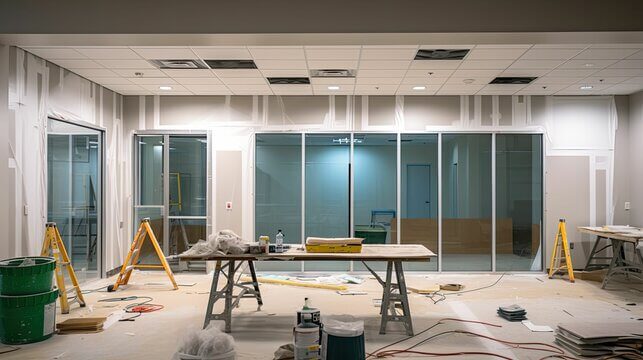

Commercial office renovations involve many moving parts, from lighting and drywall improvements to layout redesigns and painting updates. However, one of the most important features businesses often overlook is flooring. The condition and quality of office flooring directly affect employee comfort, workplace appearance, safety, maintenance costs, and even long-term property value.
Old, damaged, or outdated flooring can make a workspace feel unprofessional and uncomfortable. On the other hand, modern flooring upgrades help businesses create cleaner, safer, and more productive office environments. Whether it involves carpet replacement, luxury vinyl installation, hardwood upgrades, or polished concrete solutions, flooring improvements play a major role in successful commercial renovations.
For property owners and businesses in Washington, DC, investing in professional flooring installation during office remodeling projects can provide long-term benefits that improve both functionality and appearance.
Flooring Creates a Strong First Impression
The flooring inside a commercial building is one of the first things employees, customers, tenants, and visitors notice when entering the property. Worn carpets, cracked tiles, faded surfaces, or uneven flooring immediately create a negative impression about the condition of the business.
Modern flooring upgrades help offices appear:
- Cleaner
- More professional
- Better maintained
- More modern
- More welcoming
Businesses that renovate office flooring often combine these improvements with interior remodeling and painting services to create a fully updated commercial environment. Upgrading flooring also complements larger remodeling projects such as:
- Interior remodeling
- Commercial drywall upgrades
- Office space redesigns
- Reception area renovations
- Conference room improvements
Companies planning major remodeling projects can also benefit from reading related resources like What Businesses Should Expect During a Commercial Renovation Project and Signs Your Commercial Property Needs Interior Remodeling to better understand renovation planning.
Improved Employee Comfort and Productivity
Flooring directly affects employee comfort throughout the workday. Office workers spend long hours walking, standing, and moving throughout commercial spaces. Old flooring materials may contribute to discomfort, noise, and poor indoor conditions.
Modern flooring systems improve workplace comfort by offering:
- Better cushioning underfoot
- Noise reduction
- Improved insulation
- Smoother walking surfaces
- Reduced trip hazards
Carpet tiles, luxury vinyl plank flooring, and rubber-backed commercial flooring materials can significantly reduce sound transmission inside busy offices. This creates quieter work environments that help employees focus and remain productive.
Many businesses combine flooring renovations with lighting upgrades and workspace redesigns to improve overall workplace morale and efficiency.
Safety Improvements During Office Renovations
Damaged flooring creates safety hazards inside commercial buildings. Cracks, loose tiles, worn carpet edges, and uneven surfaces increase the risk of slips, trips, and falls.
Property owners who delay flooring replacement may eventually face:
- Employee injuries
- Liability concerns
- Tenant complaints
- OSHA compliance issues
- Higher maintenance costs
Professional flooring upgrades improve workplace safety by eliminating hazardous surfaces and installing durable, slip-resistant materials designed for commercial traffic.
This is especially important for:
- Office buildings
- Healthcare facilities
- Warehouses
- Retail spaces
- Government buildings
- Multi-tenant properties
Businesses upgrading older commercial spaces often address flooring issues alongside drywall repairs and structural improvements. Related topics such as Common Drywall Problems Found in Older Commercial Buildings can help property owners identify additional renovation concerns.
Modern Flooring Supports Easier Maintenance
One major advantage of upgrading commercial flooring is reduced maintenance. Older flooring materials often require constant cleaning, repairs, waxing, or replacement.
Modern commercial flooring options are designed for:
- Easy cleaning
- Moisture resistance
- Stain protection
- Long-term durability
- Reduced maintenance costs
Popular low-maintenance flooring materials include:
- Luxury vinyl tile (LVT)
- Polished concrete
- Commercial-grade carpet tiles
- Epoxy flooring
- Engineered hardwood
These materials help businesses maintain cleaner office environments while reducing operational disruptions caused by frequent repairs.
Commercial properties that receive high foot traffic especially benefit from durable flooring systems that resist wear and tear over time.
Flooring Upgrades Improve Property Value
Commercial renovations are often completed to increase building value and attract higher-quality tenants or buyers. Flooring upgrades play a significant role in improving the marketability of office spaces.
Updated flooring can:
- Increase lease appeal
- Improve tenant retention
- Support higher rental rates
- Enhance property presentation
- Reduce vacancy periods
Potential tenants are more likely to lease spaces that appear modern, clean, and move-in ready. Flooring is one of the most visible upgrades that immediately impacts tenant perception.
Property managers renovating spaces between leases often prioritize flooring replacement because it helps prepare units for new occupants quickly and professionally.
Better Indoor Air Quality
Older carpets and damaged flooring materials may trap dust, allergens, moisture, and bacteria over time. Poor flooring conditions can negatively affect indoor air quality and contribute to unhealthy work environments.
Modern flooring solutions improve indoor conditions by:
- Reducing allergen buildup
- Preventing mold growth
- Improving cleanliness
- Supporting healthier ventilation systems
Businesses focusing on employee wellness often include flooring upgrades as part of larger office renovation strategies. Combining flooring improvements with professional cleaning and ventilation updates helps create healthier commercial interiors.
Flooring Supports Modern Office Design Trends
Today’s commercial office designs focus heavily on functionality, flexibility, and aesthetics. Flooring materials help define different work zones while improving the overall appearance of the office.
Modern flooring trends include:
- Open-concept office layouts
- Mixed flooring textures
- Sustainable materials
- Neutral color palettes
- Acoustic flooring systems
- Durable minimalist finishes
Commercial renovation specialists often use flooring to visually separate:
- Collaboration areas
- Private offices
- Meeting rooms
- Reception spaces
- Break rooms
Businesses investing in office remodeling frequently coordinate flooring upgrades with painting, lighting, and workspace redesign projects to create cohesive interiors.
Energy Efficiency and Sustainability Benefits
Many modern flooring materials are designed to support energy-efficient and environmentally responsible construction practices.
Eco-friendly commercial flooring options may include:
- Recycled materials
- Low-VOC products
- Sustainable wood alternatives
- Energy-efficient insulation systems
These flooring solutions help businesses reduce environmental impact while improving building performance.
Companies interested in environmentally responsible renovations may also benefit from eco-friendly remodeling and energy-efficient construction upgrades throughout the property.
Flooring Upgrades Reduce Long-Term Costs
Although flooring renovations require upfront investment, they often reduce long-term repair and maintenance expenses. Delaying flooring replacement can lead to:
- Subfloor damage
- Moisture problems
- Mold growth
- Structural deterioration
- Frequent repair costs
Professional flooring installation protects commercial interiors while helping businesses avoid expensive future restoration projects.
High-quality commercial flooring materials are specifically designed to withstand:
- Heavy foot traffic
- Rolling office furniture
- Equipment movement
- Daily cleaning
- Moisture exposure
This durability provides better long-term value for commercial property owners.
Professional Installation Matters
Commercial flooring installation requires careful planning and professional workmanship. Improper installation may lead to:
- Uneven surfaces
- Premature wear
- Moisture damage
- Adhesive failures
- Safety hazards
Experienced renovation contractors ensure flooring systems are installed correctly while minimizing disruption to business operations.
Professional renovation teams also help businesses:
- Select appropriate materials
- Plan installation schedules
- Coordinate renovations efficiently
- Meet commercial building requirements
Businesses completing full office renovations often combine flooring projects with drywall work, painting services, remodeling, and maintenance upgrades for better overall results.
Conclusion
Flooring upgrades are one of the most valuable investments businesses can make during commercial office renovations. Modern flooring improves appearance, safety, employee comfort, maintenance efficiency, and long-term property value.
Whether upgrading an office building, retail space, warehouse, or multi-tenant commercial property, quality flooring helps create cleaner, more professional, and more functional work environments.
When combined with interior remodeling, drywall repairs, painting services, and workspace redesigns, flooring renovations help businesses modernize their properties while supporting employee productivity and tenant satisfaction.