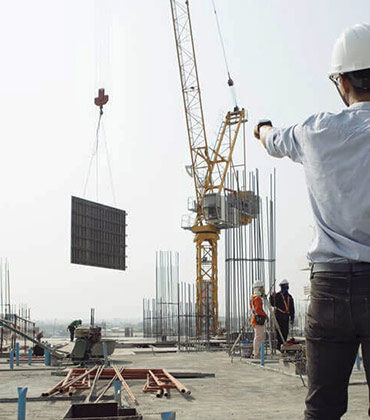
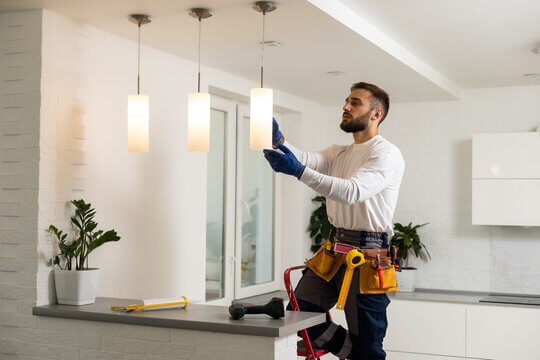

Lighting plays a major role in the success of any commercial remodeling project. While many property owners focus heavily on flooring, drywall, paint colors, and layout changes, proper lighting is equally important for creating safe, productive, and visually appealing commercial spaces.
Whether renovating an office, retail store, warehouse, restaurant, healthcare facility, or multi-unit commercial property, lighting affects everything from employee productivity to customer experience and energy efficiency. Poor lighting choices can negatively impact workplace performance, increase energy costs, and reduce the overall effectiveness of a renovation project.
Modern commercial remodeling projects now prioritize lighting upgrades as part of complete interior renovation strategies. Businesses in Washington, DC increasingly invest in energy-efficient lighting systems, smart controls, and improved interior illumination to create better environments for employees, tenants, and visitors.
Lighting Directly Affects Workplace Productivity
One of the biggest reasons proper lighting matters during commercial remodeling is its impact on employee productivity. Employees spend long hours inside office buildings and commercial spaces, making lighting conditions extremely important for comfort and concentration.
Poor lighting may contribute to:
- Eye strain
- Headaches
- Fatigue
- Reduced focus
- Lower morale
- Decreased efficiency
On the other hand, well-designed lighting systems help improve:
- Alertness
- Task accuracy
- Employee comfort
- Workplace energy
- Overall productivity
Modern office renovations often include layered lighting systems that combine:
- Natural light
- Overhead lighting
- Task lighting
- Accent lighting
Businesses remodeling office interiors frequently combine lighting upgrades with flooring improvements and workspace redesigns. Property owners planning major renovations may also benefit from reading related topics like How Office Renovations Improve Employee Productivity and Workplace Morale and Why Flooring Upgrades Matter in Commercial Office Renovations.
Proper Lighting Improves Safety During Renovations
Lighting is critical for maintaining safety throughout commercial spaces. Inadequate lighting can create hazards for employees, customers, tenants, and contractors during and after remodeling projects.
Poor visibility increases the risk of:
- Slips and falls
- Workplace accidents
- Navigation difficulties
- Equipment mishandling
- Emergency evacuation issues
Commercial remodeling contractors often upgrade lighting systems in:
- Hallways
- Stairwells
- Parking garages
- Warehouses
- Loading areas
- Common spaces
Proper illumination helps ensure commercial properties remain safe, functional, and compliant with building regulations.
Warehouses and industrial buildings especially benefit from improved lighting because employees often work around equipment, inventory systems, and heavy machinery where visibility is essential.
Lighting Enhances Commercial Property Appearance
Lighting strongly influences how people perceive a commercial property. Even newly renovated interiors may feel dull or outdated if lighting systems are poorly designed.
Professional lighting upgrades can:
- Highlight architectural features
- Improve interior aesthetics
- Create welcoming environments
- Make spaces appear larger
- Improve color accuracy
- Enhance customer experiences
Retail stores, offices, restaurants, and commercial lobbies rely heavily on lighting to create attractive and professional spaces.
Interior remodeling projects often coordinate lighting upgrades alongside:
- Drywall installation
- Interior painting
- Flooring replacement
- Ceiling renovations
- Open-concept remodeling
These combined improvements help create cohesive and visually appealing commercial interiors.
Energy Efficiency Benefits of Modern Lighting Systems
Commercial lighting significantly affects building energy consumption. Older lighting systems often waste electricity and increase operational expenses.
Modern commercial remodeling projects frequently include energy-efficient upgrades such as:
- LED lighting
- Smart lighting controls
- Occupancy sensors
- Daylight harvesting systems
- Automated dimming technology
These upgrades help businesses:
- Lower utility bills
- Reduce maintenance costs
- Improve sustainability
- Extend lighting lifespan
- Reduce environmental impact
Energy-efficient lighting systems are especially important for large commercial properties that operate lighting for extended hours daily.
Businesses interested in sustainable renovations may also explore eco-friendly remodeling and energy-efficient construction strategies during commercial upgrades.
Lighting Supports Better Customer Experiences
Commercial properties that serve customers directly must pay close attention to lighting design. Proper lighting affects how customers interact with a business environment.
In retail spaces, lighting helps:
- Showcase products
- Create inviting atmospheres
- Improve customer comfort
- Influence purchasing behavior
In restaurants and hospitality spaces, lighting contributes to:
- Ambiance
- Mood
- Dining experience
- Brand identity
Healthcare facilities, office buildings, and service-based businesses also benefit from lighting systems that create comfortable and professional environments for visitors.
Commercial remodeling projects should always consider how lighting impacts customer perception and overall user experience.
Proper Lighting Helps Highlight Renovation Improvements
Businesses invest significant money into remodeling projects, including:
- New flooring
- Fresh paint
- Drywall upgrades
- Interior redesigns
- Modern furniture
- Architectural improvements
Without proper lighting, many of these upgrades may not stand out effectively.
Well-planned lighting systems help emphasize:
- Wall textures
- Paint finishes
- Flooring materials
- Decorative features
- Reception areas
- Conference rooms
Commercial contractors often use accent lighting and layered illumination to showcase renovated spaces and improve overall presentation.
Lighting Plays a Key Role in Modern Office Design
Modern commercial offices focus heavily on employee wellness and functional workspace design. Lighting is now considered one of the most important factors in workplace planning.
Popular office lighting trends include:
- Natural daylight integration
- Adjustable LED systems
- Smart lighting automation
- Collaborative workspace lighting
- Task-focused illumination
- Wellness-centered lighting design
Businesses renovating office interiors frequently redesign layouts and lighting together to improve workflow and employee satisfaction.
Lighting also supports hybrid work environments by creating more flexible and adaptable office spaces.
Remodeling Projects Must Consider Natural Light
Natural lighting has become increasingly important in commercial renovation planning. Businesses often remodel spaces to maximize sunlight exposure because natural light offers several benefits:
- Improved employee mood
- Reduced energy usage
- Better workplace comfort
- Enhanced interior appearance
Commercial remodeling projects may include:
- Larger windows
- Glass partitions
- Open-concept layouts
- Skylights
- Reflective interior surfaces
These improvements help distribute natural light more effectively throughout commercial spaces.
Property owners remodeling older buildings often combine window upgrades with drywall repairs and interior renovations to modernize interiors while improving energy performance.
Proper Lighting Improves Multi-Unit Commercial Spaces
Commercial properties with multiple tenants require balanced and consistent lighting systems across shared areas.
Property managers often prioritize lighting upgrades in:
- Hallways
- Lobbies
- Parking areas
- Shared workspaces
- Elevators
- Exterior walkways
Improved lighting enhances:
- Tenant satisfaction
- Property appearance
- Building security
- Lease appeal
Businesses managing multi-unit properties frequently schedule lighting improvements during larger renovation cycles between tenant leases.
Professional Lighting Planning Is Essential
Commercial lighting systems require professional planning to ensure proper performance and efficiency. Poorly designed lighting layouts may create:
- Glare
- Uneven brightness
- Excessive shadows
- Overlighting
- Energy waste
Professional commercial remodeling contractors help businesses:
- Select appropriate fixtures
- Design effective layouts
- Improve lighting efficiency
- Meet building codes
- Reduce long-term operating costs
Lighting upgrades should always align with the overall goals of the remodeling project, including productivity, aesthetics, energy savings, and functionality.
Conclusion
Proper lighting is one of the most important elements of any commercial remodeling project. It directly affects workplace productivity, employee comfort, safety, energy efficiency, and customer experience.
Modern commercial renovations increasingly focus on high-quality lighting systems that support healthier, more attractive, and more functional business environments. Whether remodeling offices, retail spaces, warehouses, or multi-unit commercial buildings, investing in professional lighting upgrades helps maximize the value of the entire renovation project.
When combined with flooring upgrades, interior remodeling, drywall improvements, and energy-efficient renovations, proper lighting helps businesses create commercial spaces that are modern, efficient, and built for long-term success.