
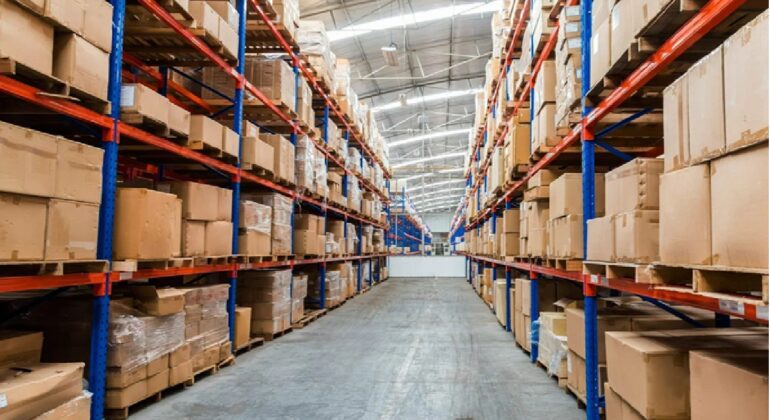

Warehouses and storage facilities play a critical role in supply chains, inventory management, and commercial operations. However, these large-scale spaces are also highly attractive to rodents such as rats and mice. From food storage and packaging materials to hidden entry points and low-traffic areas, warehouses create ideal conditions for rodent infestations if proper prevention methods are not in place.
Understanding why warehouses and storage facilities face higher rodent risks can help business owners protect inventory, maintain sanitation standards, and avoid costly property damage. A proactive pest control strategy is essential for keeping commercial spaces safe, compliant, and operational.
Why Rodents Target Warehouses and Storage Facilities
Rodents are constantly searching for three basic survival needs: food, shelter, and water. Warehouses often provide all three in abundance. Large buildings with extensive storage systems create countless hiding places where rodents can breed and remain unnoticed for long periods.
Facilities that store packaged food, paper products, cardboard, fabrics, or even electronics can become prime nesting grounds. Rodents can chew through packaging, contaminate products, and damage wiring, insulation, and building structures.
Businesses that already deal with structural maintenance should also prioritize preventative repairs and inspections. Services like drywall repair and renovation can help eliminate gaps and hidden access points where pests enter buildings. Related maintenance solutions are discussed in this article about drywall installation and repair services in Washington DC:
drywall installation and repair services
Large Buildings Create More Entry Opportunities
One of the biggest reasons warehouses face higher rodent risks is the sheer size of the property. Large facilities often have:
- Multiple loading docks
- Shipping entrances
- Ventilation gaps
- Utility openings
- Roof access points
- Cracks in foundations
- Damaged doors or seals
Even a tiny opening is enough for mice or rats to squeeze through. Because warehouses experience constant movement of goods and vehicles, doors may remain open for extended periods, making it easier for rodents to enter unnoticed.
Exterior renovations and proper sealing can significantly reduce vulnerabilities around commercial buildings. Property owners can improve structural protection with services similar to these exterior renovation solutions:
exterior renovation and refurbishment services
Cluttered Storage Areas Increase Infestation Risks
Rodents thrive in cluttered environments where they can hide from predators and human activity. Warehouses commonly contain:
- Cardboard boxes
- Wooden pallets
- Unused inventory
- Packaging supplies
- Seasonal products
- Stacked materials
When inventory remains untouched for long periods, rodents can build nests deep within storage zones. Clutter also makes inspections more difficult, allowing infestations to grow before they are detected.
Maintaining organized storage systems and performing regular cleaning routines are critical for reducing pest activity. Commercial cleaning services can help businesses maintain healthier and more sanitary environments.
Learn more about maintaining clean commercial spaces here:
commercial cleaning services in Washington DC
Food and Organic Materials Attract Rodents
Warehouses that store food products face an even greater risk of rodent infestations. Even sealed products can attract pests due to odors, crumbs, or accidental spills.
Rodents are also attracted to:
- Pet food
- Grain products
- Paper goods
- Fabrics
- Garbage areas
- Employee break rooms
Improper waste management creates additional problems. Overflowing dumpsters or poorly maintained disposal areas near loading docks can encourage rodent populations to settle close to the facility.
Facility managers should implement strict sanitation protocols and schedule regular inspections to identify early warning signs before infestations spread.
Rodents Cause Expensive Property Damage
Rodent infestations can create serious financial losses for warehouses and storage facilities. Rats and mice continuously chew to keep their teeth from overgrowing, which means they often damage:
- Electrical wiring
- Drywall
- Insulation
- Wooden structures
- Pipes
- HVAC systems
- Inventory packaging
Electrical damage caused by rodents may even increase fire hazards within commercial properties. Businesses investing in renovation or remodeling projects should ensure that all hidden structural areas are properly inspected for pest damage.
Businesses planning commercial upgrades may benefit from professional renovation support such as:
commercial construction services in Washington DC
Seasonal Weather Changes Push Rodents Indoors
Weather changes significantly affect rodent behavior. During colder months, rats and mice actively seek warm indoor shelter. Warehouses provide stable temperatures and protection from outdoor conditions, making them ideal nesting environments during fall and winter.
Heavy rain or flooding can also force rodents indoors through sewer systems, drainage lines, or damaged foundations. Preventative maintenance and building inspections become especially important during seasonal transitions.
Property owners should regularly inspect roofs, basements, and exterior walls to identify moisture issues or structural vulnerabilities that may encourage pests.
Waterproofing and foundation repair services can help reduce moisture-related pest risks:
basement waterproofing and foundation repair services
Poor Maintenance Encourages Infestations
Facilities with delayed repairs or neglected maintenance often experience higher rodent activity. Broken vents, cracked walls, damaged flooring, or deteriorating roofing systems create easy access points for pests.
Routine inspections and preventative repairs can dramatically reduce infestation risks. Warehouses should maintain:
- Proper door seals
- Functional drainage systems
- Clean storage layouts
- Secure garbage areas
- Well-maintained walls and ceilings
Businesses upgrading older facilities should also consider modern renovation strategies that improve sanitation, energy efficiency, and structural durability.
Explore more renovation planning ideas here:
home renovation services in Washington DC
How Warehouses Can Reduce Rodent Risks
Preventing rodent infestations requires a combination of sanitation, maintenance, monitoring, and professional pest management. Some effective prevention methods include:
Seal Entry Points
Inspect walls, foundations, roofing systems, and loading docks regularly. Repair cracks, holes, and damaged seals immediately.
Improve Storage Organization
Avoid cluttered storage areas and keep inventory elevated off the floor when possible.
Maintain Cleanliness
Regular cleaning schedules help eliminate food debris and nesting materials.
Monitor High-Risk Areas
Check basements, utility rooms, break areas, and loading zones frequently for signs of rodent activity.
Schedule Professional Inspections
Routine inspections help identify problems before infestations become severe or costly.
Final Thoughts
Warehouses and storage facilities face higher rodent risks because they offer the ideal combination of shelter, food access, and hidden nesting opportunities. Large buildings, cluttered storage systems, and constant shipping activity make these environments especially vulnerable to infestations.
By focusing on preventative maintenance, sanitation, structural repairs, and regular inspections, businesses can significantly reduce rodent activity and protect their inventory, employees, and property investment. A proactive approach not only helps maintain compliance and safety standards but also prevents expensive long-term damage caused by rodents.