
Commercial renovation projects are an important investment for businesses looking to modernize their workspace, improve functionality, attract customers, and increase property value. Whether renovating an office, retail store, warehouse, restaurant, or multi-unit commercial facility, businesses should understand that successful renovations require careful planning, coordination, and realistic expectations.
Many business owners underestimate the complexity of commercial construction projects. Renovations often involve multiple phases, temporary disruptions, scheduling adjustments, inspections, and collaboration between contractors, property managers, and vendors. Understanding the renovation process in advance helps businesses minimize delays, control costs, and maintain smoother daily operations throughout the project.
From drywall installation and flooring upgrades to full interior remodeling and structural improvements, knowing what to expect allows businesses to prepare effectively while protecting productivity and customer experience.
Why Businesses Invest in Commercial Renovations
Commercial properties naturally experience wear over time. Outdated layouts, damaged interiors, inefficient lighting, aging materials, and changing operational needs eventually require renovation work.
Businesses often renovate commercial spaces to:
- Improve employee productivity
- Create a better customer experience
- Modernize outdated interiors
- Increase energy efficiency
- Expand usable space
- Improve safety compliance
- Strengthen company branding
- Increase property value
In competitive markets like Washington DC, updated commercial spaces can also help businesses attract employees, clients, and long-term tenants.
Companies planning upgrades often combine multiple services such as Commercial Construction Services Washington DC, Design Build Services Washington DC, and Interior Renovation Space Optimization in Washington DC.
The Planning Phase Comes First
Every successful commercial renovation begins with detailed planning. Before construction starts, contractors typically evaluate the property, discuss business goals, create budgets, and develop project timelines.
During this phase, businesses should expect:
- Site inspections
- Space measurements
- Design consultations
- Permit discussions
- Material selections
- Cost estimates
- Scheduling coordination
Clear communication during planning helps prevent misunderstandings and costly mid-project changes later.
Businesses should also prepare for possible adjustments once contractors uncover hidden structural issues, outdated electrical systems, water damage, or code compliance concerns inside older buildings.
Temporary Business Disruptions Are Common
One of the biggest concerns during commercial renovations is operational disruption. Construction activity naturally creates noise, dust, restricted access, and temporary inconveniences.
Depending on the project size, businesses may experience:
- Limited workspace access
- Temporary room closures
- Increased noise levels
- Utility interruptions
- Parking restrictions
- Changes to customer traffic flow
Professional contractors work to minimize disruptions by scheduling work strategically, isolating construction zones, and maintaining safe working conditions throughout the project.
Businesses undergoing renovations may also coordinate temporary maintenance services such as Office Cleaning or Commercial Cleaning Services in Washington DC to help maintain cleanliness during construction.
Demolition and Preparation Work
Before new materials are installed, contractors often begin with demolition and preparation. This phase may include removing damaged drywall, flooring, ceilings, fixtures, cabinetry, or outdated electrical systems.
Preparation work is critical because it creates the foundation for quality renovation results.
Businesses should expect:
- Dust containment systems
- Protective coverings
- Debris removal
- Noise from demolition equipment
- Temporary wall openings
- Safety barriers around work zones
Many older commercial buildings also reveal hidden damage during demolition, including moisture issues, mold growth, plumbing leaks, or structural deterioration.
Businesses facing interior wall damage may require services such as Professional Drywall Services in Washington DC Reliable Solutions from IJS Limited Construction or Drywall Repairs Finishing in Washington DC Smooth Walls.
Construction Timelines May Shift
Even with careful planning, commercial renovation timelines can sometimes change. Material delays, permit approvals, weather conditions, hidden structural problems, and design modifications may affect completion schedules.
Businesses should build flexibility into their expectations and maintain regular communication with contractors throughout the project.
Factors that commonly affect timelines include:
- Permit processing delays
- Backordered materials
- Electrical or plumbing issues
- Unexpected repairs
- Inspection scheduling
- Scope changes requested by owners
Experienced renovation teams help reduce delays by maintaining organized project management and proactive communication.
Safety Procedures Are Essential
Commercial construction sites must follow strict safety standards to protect employees, customers, tenants, and contractors.
During renovations, businesses should expect:
- Restricted construction zones
- Warning signage
- Safety barriers
- Controlled access areas
- Protective equipment requirements
- Daily site cleanup
For occupied office buildings or retail spaces, contractors often schedule higher-disruption work after business hours to reduce safety risks and operational interruptions.
Businesses renovating older facilities may also combine upgrades with Construction Maintenance Helps Extend Building Lifespan to improve long-term building performance and safety.
Interior Finishing and Cosmetic Improvements
After structural work is complete, contractors begin installing final finishes that improve appearance and functionality.
This stage may include:
- Painting
- Flooring installation
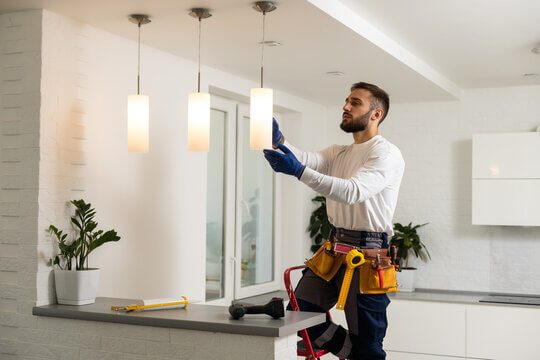
- Lighting upgrades
- Ceiling systems
- Fixture installation
- Cabinetry
- Trim work
Cosmetic improvements significantly impact employee morale, customer impressions, and workspace functionality.
Businesses investing in visual upgrades often use services like:
- Professional Painting Service in Washington DC Transform Your Space with IJS Limited Construction
- Flooring Installation
- Modern Fixture Installations Upgrades for Your Home
These finishing details help create a polished and professional commercial environment.
Technology and Energy Efficiency Upgrades
Modern commercial renovations increasingly focus on energy efficiency and smart building technology. Businesses often upgrade lighting systems, HVAC equipment, insulation, and automation features during renovations to reduce long-term operating costs.
Popular upgrades include:
- LED lighting systems
- Smart thermostats
- Motion sensors
- Energy-efficient windows
- Improved insulation
- Automated climate controls
Businesses interested in long-term sustainability may also explore Sustainable Construction Washington DC and Energy-Efficient Home Remodeling in Washington DC.
Final Inspections and Project Completion
Before a commercial renovation project concludes, contractors typically complete final walkthroughs and inspections to verify that all work meets building codes and project expectations.
Final stages often include:
- Punch-list corrections
- Deep cleaning
- Safety inspections
- System testing
- Client walkthroughs
- Permit sign-offs
Businesses should carefully review all completed work before reopening renovated areas fully.
Professional contractors also provide guidance on maintenance, warranties, and long-term care for newly installed materials and systems.
Final Thoughts
Commercial renovation projects can temporarily disrupt daily operations, but they also create significant long-term benefits for businesses, employees, customers, and property owners. Understanding what to expect during the renovation process helps businesses prepare effectively, reduce stress, and maintain smoother operations throughout construction.
From planning and demolition to final finishing and inspections, successful commercial renovations depend on communication, organization, and experienced contractors who understand the unique challenges of commercial spaces.
Whether updating offices, retail stores, warehouses, or mixed-use properties, investing in professional renovations helps businesses create safer, more functional, and more modern environments that support long-term growth and success.