


Last Updated: October 23, 2026
Quick Summary
General contractors in VA manage construction projects from start to finish, coordinating trades, materials, and timelines while handling permits and ensuring work meets building codes. They offer residential remodeling, commercial construction, and interior finishing work like drywall, painting, and surface restoration.
- Verify any general contractor in VA through the Department of Professional and Occupational Regulation (DPOR) database before hiring.
- Request written estimates from at least three contractors with itemized breakdowns of labor, materials, timeline, and warranty terms.
- Confirm contractors carry liability insurance and workers’ compensation coverage with you named as an additional insured.
- Ask for at least five references from similar projects completed in the past two years and call previous clients.
- Never pay the full amount upfront; use staged payments tied to project milestones to protect yourself.
Table of Contents
- What General Contractors in VA Offer
- How to Verify Virginia Contractor License Lookup and Credentials
- Contractor Estimates and References: What to Request
- Small Home Repair Services Near Me: Finding Local Specialists
- Drywall Installation Contractors and Interior Work
- Insurance, Bonding, and Contract Safeguards
- How to Choose the Right General Contractor
- Frequently Asked Questions
What General Contractors in VA Offer
Understanding what general contractors in VA do is your first step toward hiring the right professional. A general contractor manages construction projects from start to finish, coordinating trades, materials, and timelines, handling permits and subcontractors while ensuring your project meets building codes and stays on schedule.
General contracting spans residential remodeling (kitchens, baths, basements, whole-home), commercial construction (office buildouts, retail, tenant improvements), and interior work like drywall, painting, and surface restoration. The best general contractors in VA combine project management expertise with local building knowledge and material sourcing.
Established general contractors in VA understand regional climate considerations, local supplier relationships, and permit timelines across jurisdictions. They know what works in older homes versus newer construction and have systems to keep projects coordinated. IJS Limited Construction brings 15+ years of experience to every project, with direct owner-level oversight so you stay informed throughout your renovation.
General contracting also includes project management: managing subcontractors, scheduling inspections, ordering materials, and handling unexpected issues. Poor management turns a smooth project into a frustrating one, so a reliable general contractor in VA takes ownership of the entire process.
| Service Type | Typical Scope | Best For |
|---|---|---|
| Residential Remodeling | Kitchen, bath, basement, whole-home updates | Homeowners planning interior renovations |
| Commercial Construction | Office buildouts, retail spaces, tenant improvements | Business owners and property managers |
| Interior Work | Drywall, painting, surface restoration | Projects requiring skilled finishing trades |
| Project Management | Coordination of all trades and timelines | Complex projects needing experienced oversight |
Ask potential contractors about their project management system before hiring. Contractors who use scheduling software, send regular updates, and have a clear communication protocol tend to deliver better results and fewer surprises.
How to Verify Virginia Contractor License Lookup and Credentials
Verifying credentials is non-negotiable. Before you hire any general contractor in VA, confirm they’re licensed and registered through the Department of Professional and Occupational Regulation (DPOR) (Board for Contractors).
Enter the contractor’s name or license number in the DPOR lookup tool to verify active status. A legitimate general contractor in VA will have a current, active license; no results or an expired license is a red flag, do not hire.
Ask contractors about certifications specific to their work, such as green building, lead-safe renovation, or trade skills. Woman-owned and minority-owned certifications (SBE and CBE) indicate additional vetting and compliance. IJS Limited Construction holds SBE and CBE certification, meeting rigorous standards for business practices and project delivery.
Request proof of insurance and bonding. General contractors in VA should carry liability insurance and workers’ compensation coverage, and bonding protects you if they fail to complete work or pay subcontractors. Ask for current insurance certificates naming you as an additional insured; hesitation signals corner-cutting.
Ask for references from recent local projects. Call at least three previous clients and ask: Did the contractor finish on time? Communicate regularly? Were there cost overruns? How were problems handled?
Never hire a contractor who refuses to provide a license number, insurance documentation, or references. These are standard requirements for professional contractors, and avoidance signals either inexperience or an attempt to avoid accountability.
Contractor Estimates and References: What to Request
Request written estimates from at least three contractors. A professional estimate includes a detailed breakdown of labor, materials, timeline, payment schedule, and warranty terms. Vague estimates like “around $15,000” aren’t acceptable, you need specifics to compare apples to apples.
Look for itemized lists showing exactly what work is included. A quality estimate separates labor from material costs, identifies subcontractors, and specifies start and completion dates. If details are missing, ask for them, vague estimates leave room for misunderstandings and cost overruns.
Compare estimates carefully, but don’t automatically choose the lowest price. The cheapest general contractor in VA might cut corners on materials, skip steps, or underestimate the work, then ask for change orders mid-project to cover overlooked costs. A reasonable estimate reflects fair pricing for quality work.
Ask each contractor for at least five references from projects completed in the past two years, similar in scope to yours. Ask whether the contractor delivered on time, stayed within budget, communicated clearly, and handled problems professionally, and whether they’d hire the same contractor again.
Request before-and-after photos of completed projects. Pay attention to detail work, clean paint lines, tight joints, professional finishes. Quality work in photos usually translates to quality work on your project.
Compare estimates based on scope, timeline, and quality, not just price. The middle estimate from a well-referenced contractor is usually the safest choice. Extremely low bids often hide problems that emerge during the project.
Small Home Repair Services Near Me: Finding Local Specialists
Finding reliable small home repair services near me requires knowing where to look. Small repairs, drywall damage, repainting, trim replacement, water damage, often don’t require a full general contractor, but still need skilled professionals who understand proper techniques and local building standards.
Start by asking neighbors and friends for recommendations, personal referrals carry weight because they’ve already vetted the contractor. Online reviews on Google, Yelp, and the Better Business Bureau reveal patterns in communication, timeliness, and quality.
Local contractor directories and trade associations list vetted professionals. Many contractors belong to the Home Builders Association or similar organizations that set standards and require members to maintain insurance and licensing. Membership signals a contractor takes their reputation seriously.
When searching for small home repair services near me, decide whether you need a general contractor or a specialized tradesperson. A drywall specialist may be more cost-effective for drywall-only work, while a general contractor coordinates multiple trades. IJS Limited Construction handles everything from minor drywall repairs to complete interior renovations.
Ask about service area and response time. Contractors working near your home understand local conditions, supplier availability, and permit processes, and can often start sooner with better communication because travel time is minimal.
Drywall Installation Contractors and Interior Work
Drywall installation contractors in VA specialize in hanging, taping, and finishing drywall to create smooth walls and ceilings. Quality installation requires skill, improper hanging creates uneven walls, poor taping leaves visible seams, and inadequate finishing looks rough.
Drywall work is common in renovations, when walls are removed, relocated, or damaged, new drywall must be finished to match existing walls. Painting, trim, and other finishing trades depend on quality drywall installation; rushing it creates expensive downstream problems.
Interior work extends beyond drywall to painting, trim, flooring, and surface restoration. Many general contractors in VA manage all finishing trades.
Ask drywall contractors about dust containment. Drywall dust spreads throughout a house if not contained; professionals use plastic barriers, seal off work areas, and use HEPA filtration to minimize dust and protect your belongings.
Surface restoration addresses damage from water, age, or wear, repairing water-damaged drywall, restoring textured finishes, or treating mold-affected areas.
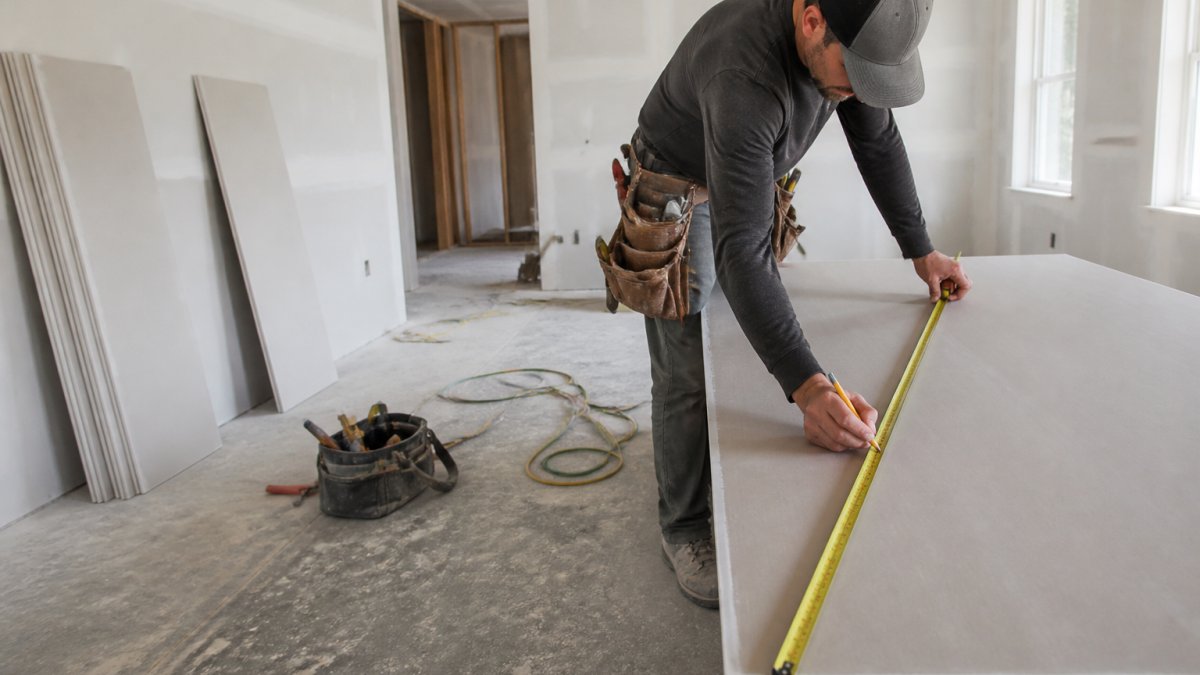
Before hiring a drywall contractor, ask how they handle dust containment and cleanup. The best contractors isolate work areas with plastic barriers and use air filtration systems to protect the rest of your home from construction dust.
Insurance, Bonding, and Contract Safeguards
Insurance and bonding protect you if something goes wrong during your renovation. Before hiring any general contractor in VA, verify they carry adequate liability insurance and workers’ compensation coverage.
Ask contractors to provide proof of current insurance with you named as an additional insured. This gives you direct coverage under their policy if something happens. Never accept a contractor’s word that they’re insured, require documentation.
Bonding is different from insurance. A performance bond guarantees the contractor will complete the work as specified.
A written contract is essential. Never start work without a signed agreement that specifies the scope of work, timeline, payment schedule, and warranty terms.
The contract should specify warranty terms. Most contractors warrant their workmanship for a set period, usually one to two years.
Payment terms should be structured to protect you. Never pay the full amount upfront. A typical payment schedule might be 25% upon signing the contract, 50% when the work is half complete, and 25% upon final completion.
Virginia Department of Professional and Occupational Regulation contractor licensing requirements provide the legal framework for contractor licensing and disciplinary standards. Understanding these requirements helps you evaluate whether a contractor meets baseline professional standards.
Never pay a contractor in full before work is complete. Staged payments tied to project milestones protect you if the contractor abandons the project or fails to complete it properly. Always require a signed contract before work begins.
How to Choose the Right General Contractor
Choosing the right general contractor in VA requires balancing multiple factors: credentials, experience, communication style, pricing, and references. Start by narrowing your list to contractors who are licensed, insured, and well-referenced.
Pay attention to how contractors respond to your initial inquiry. Do they return calls promptly? Do they ask detailed questions about your project before estimating? Do they explain their process clearly?
Evaluate whether the contractor has experience with projects similar to yours. A contractor experienced in kitchen remodels might not be the best choice for a commercial buildout.
Consider the contractor’s communication style and availability. Will they provide regular updates? How often will they be on-site? Can you reach them if problems arise?
Review the written contract carefully before signing. Make sure the scope of work matches what you discussed, the timeline is realistic, the payment schedule is structured appropriately, and warranty terms are clear.
Trust your instincts about whether you can work with this person. You’ll be interacting with the contractor regularly throughout the project.
Choosing a general contractor in VA is one of the most important decisions in your renovation. With 97% on-time project delivery and 98% client retention, we understand what it takes to transform your vision into reality. GET QUOTE to discuss your project with our team and see how we can help.
Frequently Asked Questions
Does a contractor have to be licensed in Virginia?
Virginia requires general contractors performing work valued over $1,000 to hold a valid Class A, B, or C license from the Virginia Department of Professional and Occupational Regulation (DPOR). Verify any contractor’s license status through the DPOR website before signing a contract. Licensed contractors must maintain liability insurance and follow Virginia’s building codes. Always confirm licensing status, it protects you from uninsured work and ensures the contractor meets state standards.
What should a general contractor’s estimate include?
A complete estimate should list all materials, labor costs, timeline, payment schedule, and scope of work in writing. Request itemized breakdowns rather than lump-sum figures so you understand what each phase costs. The estimate should specify start and completion dates, warranty terms, and what happens if costs change. Ask contractors to include their license number, insurance details, and references. Compare multiple estimates side-by-side to spot pricing differences and ensure you’re not missing services.
How can I verify a Virginia contractor’s license?
Visit the Virginia DPOR website and use their license lookup tool to search by contractor name or license number. The database shows license class, expiration date, and any disciplinary history. Confirm the license matches the business name on your contract. Cross-check the contractor’s insurance certificates with their insurance provider. Request references from recent projects and contact at least three past clients to ask about their experience, timeline adherence, and communication quality.
What questions should I ask before hiring a general contractor?
Ask how long they’ve been in business, whether they’re licensed and insured, and if they can provide three recent project references. Request a detailed written estimate and timeline. Clarify how they handle changes to the scope, who oversees the project daily, and what their communication process is. Ask about warranty coverage on workmanship and materials. Confirm they understand any special requirements, such as historic home preservation or SBE/CBE certification needs. Verify they serve your specific location within the state.