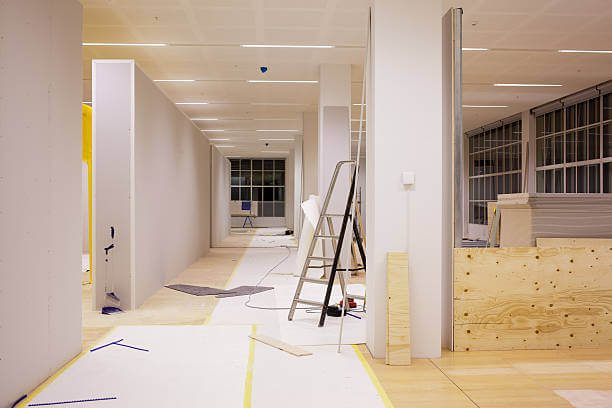

Office renovations can create meaningful improvements for businesses that want to modernize workspaces, improve efficiency, and support employee experience. A well-planned renovation can increase functionality, strengthen company image, and help a commercial property perform better over time.
However, many renovation projects become more expensive and disruptive than expected because businesses underestimate planning requirements. Office renovations involve more than changing layouts or updating finishes. Construction schedules, employee operations, infrastructure upgrades, and budget decisions all influence the final outcome.
Understanding common mistakes before construction begins helps businesses avoid unnecessary costs and achieve better long-term results.
Starting Renovations Without Clear Goals
One of the most common mistakes businesses make is beginning renovation work without defining project objectives.
Office renovation goals should go beyond appearance.
Questions to answer before starting include:
- Is the objective to improve productivity?
- Will the renovation support future growth?
- Is employee comfort the priority?
- Does the building require modernization?
- Are operational costs being reduced?
Without measurable goals, projects often expand beyond budget and timelines.
Businesses planning office improvements frequently benefit from reviewing broader renovation approaches used in:
https://www.ijslimited.com/commercial-construction-services-washington-dc/
Establishing priorities early creates stronger decision-making throughout construction.
Underestimating Project Budgets
Budget problems are among the leading causes of renovation delays.
Businesses sometimes focus only on visible construction costs while overlooking:
- Permit expenses
- Material fluctuations
- Temporary relocation costs
- Equipment movement
- Furniture replacement
- Technology upgrades
- Contingency planning
Unexpected costs can force changes midway through the project.
A structured planning process similar to:
https://www.ijslimited.com/design-build-services-washington-dc/
often helps businesses align budgets and project scope more effectively.
Including contingency reserves creates flexibility when conditions change.
Failing to Plan Around Daily Operations
Office renovations affect normal business activities.
Noise, restricted access, utility interruptions, and workspace changes may reduce productivity if schedules are poorly managed.
Businesses should identify:
- Work zones
- Temporary office arrangements
- Employee communication plans
- Delivery schedules
- Contractor access rules
Phased construction frequently helps reduce disruption.
Companies performing workspace improvements often apply scheduling methods used in:
https://www.ijslimited.com/minor-construction-services-office-washington-dc/
to maintain operations during construction.
Ignoring Employee Experience During Design
Office renovations should support the people using the space.
Businesses sometimes prioritize appearance while overlooking employee functionality.
Common concerns include:
- Lighting quality
- Noise control
- Collaborative areas
- Privacy needs
- Ergonomic layouts
- Meeting space availability
Poor design decisions can reduce workplace satisfaction instead of improving it.
Modern office planning increasingly focuses on creating environments that support productivity and flexibility.
Choosing Materials Based Only on Initial Cost
Lower-cost materials may seem attractive during budgeting but can increase maintenance expenses over time.
Commercial offices often benefit from materials designed for durability.
Examples include:
- Commercial-grade flooring
- Washable wall finishes
- Durable fixtures
- Energy-efficient lighting
- High-traffic surface materials
Long-term value should influence purchasing decisions.
Businesses exploring efficiency-focused upgrades may also review strategies discussed in:
https://www.ijslimited.com/sustainable-construction-washington-dc/
Selecting durable solutions can reduce future replacement costs.
Making Layout Decisions Too Late
Changing office layouts after construction starts often creates expensive delays.
Businesses should finalize decisions involving:
- Department placement
- Meeting rooms
- Shared spaces
- Technology integration
- Storage requirements
- Workflow movement
Late revisions increase labor requirements and material waste.
Planning ahead supports smoother execution and faster project completion.
Overlooking Infrastructure Upgrades
Many office renovations focus heavily on aesthetics while ignoring hidden systems.
Infrastructure improvements frequently deliver greater long-term value.
Areas commonly overlooked include:
- Electrical capacity
- HVAC performance
- Internet infrastructure
- Lighting systems
- Interior walls
- Fire safety updates
Renovations become more effective when visual improvements align with building performance.
Businesses investing in broader modernization often combine improvements with services similar to:
https://www.ijslimited.com/home-remodeling/
for integrated project planning principles.
Hiring Contractors Without Evaluating Experience
Selecting contractors based only on pricing can increase project risk.
Office renovations require coordination, communication, scheduling, and commercial construction knowledge.
Questions businesses should ask include:
- How are schedules managed?
- What commercial experience exists?
- How are delays handled?
- Is project supervision included?
- How is communication managed?
Evaluating expertise often creates better project outcomes.
Businesses comparing service providers may find value in reviewing:
https://www.ijslimited.com/how-to-choose-the-right-renovation-specialist-in-washington-dc/
before making final decisions.
Poor Communication During Construction
Renovation success depends heavily on communication.
Employees and stakeholders should understand:
- Project timelines
- Temporary changes
- Access limitations
- Milestone updates
- Safety procedures
Poor communication often creates confusion and lowers workplace morale.
Consistent updates improve expectations and reduce disruptions.
Delaying Decisions Causes Cost Increases
Businesses sometimes postpone approvals, selections, or schedule commitments.
These delays frequently create:
- Contractor downtime
- Material shortages
- Timeline extensions
- Budget increases
Fast decisions without planning create problems, but excessive delays can be equally expensive.
Decision-making processes should remain organized throughout the renovation timeline.
Forgetting About Long-Term Flexibility
Office needs change over time.
Designing only for current requirements can limit future adaptability.
Businesses increasingly prioritize:
- Flexible layouts
- Multi-purpose rooms
- Expandable infrastructure
- Efficient storage
- Scalable technology integration
Forward-looking renovations often perform better over the long term.
Organizations planning broader property improvements sometimes evaluate ideas from:
https://www.ijslimited.com/home-renovation-services-washington-dc/
to create adaptable spaces.
Final Thoughts
Office renovations offer businesses an opportunity to improve functionality, employee experience, and property performance. But successful outcomes require more than construction work.
Avoiding common mistakes such as poor planning, budget gaps, delayed decisions, weak communication, and overlooked infrastructure can significantly improve project results.
With clear goals, thoughtful scheduling, durable materials, and experienced project coordination, businesses can complete office renovations more efficiently while creating spaces that support future growth and daily operations.